
Funeral Flowers Meaning: Complete Explainer Guide
Choosing the right flowers for a funeral can feel overwhelming. You want the blooms to say the right thing without you having to speak. In this guide we break down the meaning of the most common funeral flowers, show how culture shapes those choices, give you step‑by‑step tips for picking the perfect arrangement, and walk you through etiquette from the service to the graveside.
By the end you’ll know which blossoms convey peace, love, remembrance, or celebration, and you’ll feel confident selecting a tribute that truly honors the departed.
Symbolic Meaning of Common Funeral Flowers
When you walk into a funeral home, the first thing you notice is the flowers. Each bloom carries a message that dates back centuries. Understanding that language helps you pick a tribute that matches the tone you want to set.
Liliesare perhaps the most classic choice. Their white petals are linked to purity and the idea of a restored soul. The tradition spans Western churches and Asian temples alike. According to Wikipedia’s Lily page, lilies have been used in religious rites for over a thousand years because their shape resembles a trumpet announcing the afterlife.
Roses bring a palette of emotions. A deep red rose speaks of lasting love and deep grief, while a white rose stands for reverence and remembrance. Pink roses add a tender, heartfelt note. The colour‑meaning pairings were catalogued by florists who trace them back to Victorian floriography, a practice that assigned specific feelings to each hue.
Chrysanthemumshold a split identity. In many European countries a white chrysanthemum signals mourning, but in Japan the same flower celebrates life and rebirth. The flower’s many petals also suggest longevity. Wikipedia’s Chrysanthemum entry notes that the plant’s use in funeral rites began in the 17th century Europe and later spread to Asia where it gained a more hopeful connotation.
Carnations are prized for their durability. Their soft pink shade often marks a mother’s memory, while white carnations can convey pure love. Because they stay fresh longer than many cut flowers, they are a practical option for services that last several days.
Orchids, especially white or pale pink varieties, symbolize everlasting love and refined elegance. Their exotic look adds a sense of dignity to a memorial setting.
Bright options like sunflowers and daffodils are now popping up more often. Sunflowers, with their golden face, celebrate a life lived in joy. Daffodils, the herald of spring, can suggest renewal and hope beyond grief.
“The most solemn funeral aisles are now seeing bright sunflowers and wildflower bouquets, a shift that challenges the long‑standing dominance of white lilies and roses.”
Bottom line:Knowing each flower’s core meaning lets you match the arrangement to the emotions you want to express.
Cultural Variations in Funeral Flower Choices
Funeral flower customs differ widely around the world. What feels appropriate in one country may be confusing, or even offensive, in another. Recognising these nuances helps you honour the family’s heritage.
In ancient Egypt, garlands of lotus and papyrus were placed on the mummy to guide the soul toward rebirth. The lotus, a symbol of the sun rising from water, represented resurrection. In ancient Greece and Rome, myrtle and laurel wreaths marked honor and victory over death.
During the Victorian era, a whole language of flowers, known as floriography, took hold. A single bloom could convey a whole sentence. Wikipedia’s Floriography article explains that a white lily meant restored innocence, while a red rose signified deep love. This practice still influences modern British and American funeral arrangements.
Across Asia, white chrysanthemums dominate Japanese funerals as a sign of grief and respect. In China, white flowers are standard for mourning, but red is avoided because it celebrates joy and marriage.
European customs also vary. In the United Kingdom, white lilies and roses are common, yet many families now include a single poppy to honor military service or a sprig of lavender for its calming scent.
In Muslim traditions, floral offerings are less common; instead, simple greenery or dates may be placed on the coffin. However, when flowers are used, they are typically white and modest.
Understanding these cultural threads lets you create a tribute that feels personal and respectful, no matter where the family’s roots lie.
Bottom line:Cultural context shapes flower meaning, so tailor your selection to the traditions of the deceased and their loved ones.
Choosing Appropriate Funeral Flowers: Practical Tips
Selecting the right arrangement involves more than just picking a pretty bunch. You need to think about location, durability, and the message you want to send. For more help, see our guide to choosing funeral flowers.
Step 1: Identify the setting.Is the arrangement for a coffin spray, a tabletop sympathy bouquet, or a graveside wreath? A coffin spray can be large and formal, while a tabletop bouquet should be compact enough to fit on a small table.
Step 2: Match the tone.For a solemn service, stick with whites, creams, and soft pastels. For a celebration of life, add bright yellows or oranges.
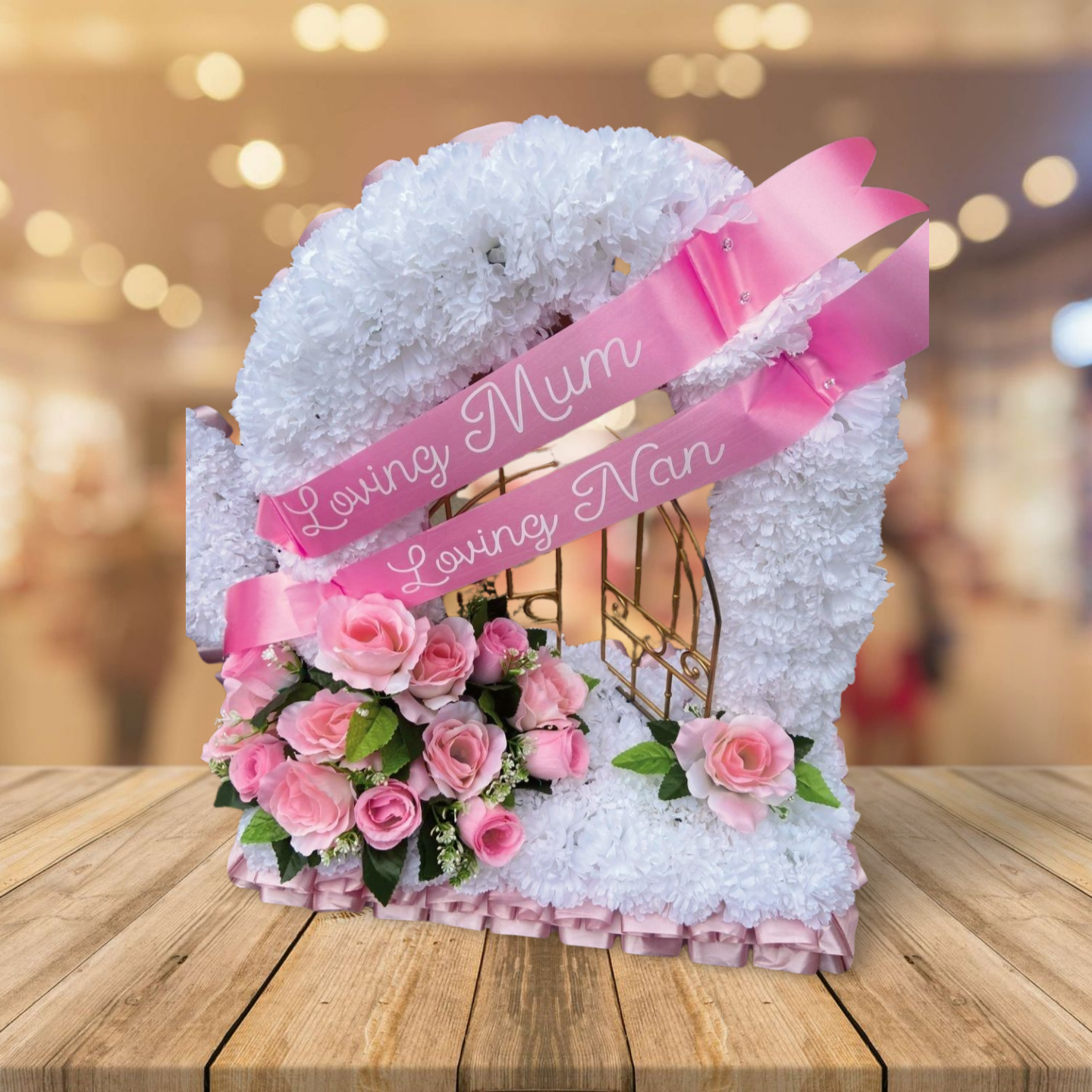
Step 3: Consider durability.Fresh flowers look beautiful but wilt quickly. Silk or high‑quality artificial flowers stay vibrant for months and are weather‑resistant, perfect for graveside displays. Our own handcrafted silk funeral wreaths provide a lasting, low‑maintenance tribute that stays bright through rain or sun.
Step 4: Personalise.Incorporate a favorite colour, hobby‑related element, or a specific flower the departed loved. A small sprig of rosemary can signal remembrance, while a favourite sport’s colour can be woven into the ribbon.
For a personal tribute to a mother, explore our funeral flowers for mum for thoughtful inspiration.
Below is a quick comparison table to help you weigh fresh versus silk options.
| Aspect | Fresh Flowers | Silk/Artificial Flowers |
|---|---|---|
| Longevity | 7‑10 days (depends on care) | Months‑years, no watering needed |
| Cost | Variable, often higher for premium blooms | One‑time cost, reusable |
| Weather‑Resistance | Limited, wilts in rain | Fully weather‑resistant |
| Maintenance | Requires water and occasional trimming | None after delivery |
When you need a quick, elegant solution, our Standard Plus funeral flower package offers a ready‑made silk arrangement that looks just like fresh blooms.
Remember, the goal is to let the flowers speak for you. Choose varieties that echo the sentiment you wish to convey, and don’t be afraid to ask the florist for advice on colour symbolism.
Bottom line:A thoughtful selection process ensures the flowers communicate the right emotions and last as long as you need them.
Caring for Funeral Arrangements: Etiquette and Timing
Once the flowers arrive, there are a few etiquette rules that keep the tribute dignified and the grieving family comfortable.
First, address the delivery to the funeral home, not the family’s home, unless you’ve been asked otherwise. Include a note that names the deceased and the purpose (e.g., “For the funeral of John Smith”). This helps the funeral director place the arrangement correctly.
Second, timing matters. Aim to have the flowers at the venue before the service begins. If you’re sending a wreath to the graveside, deliver it at least 30 minutes prior so the grounds staff can position it.
Third, after the service, you have options for the remaining blooms. Families often preserve a few stems in a keepsake box, press petals for a scrapbook, or donate the arrangement to a hospital or hospice. Repurposing flowers can extend the memory and even help others.
Our silk funeral wreaths don’t need to be disposed of; they can stay on the grave for years, providing a permanent, dignified marker that never fades.
When you’re unsure about what to do with leftover flowers, ask the funeral director. Many homes have a designated area for receiving donations, and some florists offer to collect and recycle the arrangements.
“Caring for funeral flowers after the ceremony is a gentle way to keep the memory alive and honor the loved one’s legacy.”
Bottom line:Follow delivery etiquette, respect timing, and consider lasting options like silk arrangements to keep the tribute meaningful.
FAQ
What are the most appropriate flowers for a traditional funeral?
Traditional funerals often call for lilies, roses, and chrysanthemums in white or soft pastel tones. Lilies convey purity, roses can express love or reverence depending on colour, and chrysanthemums signal respect in many European cultures. Pairing these with a simple green ribbon keeps the look solemn and dignified. If you want a lasting tribute, consider a silk version that retains its colour for months.
Can I send bright, colourful flowers for a celebration‑of‑life service?
Yes. Bright blooms such as sunflowers, daffodils, or mixed wildflowers are increasingly chosen to celebrate a joyful life. Their vibrant hues add a sense of optimism and reflect the personality of someone who loved colour. Just balance brightness with a tasteful arrangement so it feels uplifting rather than overwhelming.
How do I choose flowers that respect a specific cultural tradition?
Start by asking close family members or the funeral director about any cultural preferences. In Japanese services, white chrysanthemums are customary, while in many Middle‑Eastern traditions, white flowers or modest greenery are preferred. Avoid red flowers in Chinese funerals as they signify celebration. Tailoring the selection shows respect and cultural sensitivity.
What is the etiquette for sending sympathy flowers to the family’s home?
Sympathy flowers should be delivered to the family’s residence, not the funeral home. Include a handwritten note expressing your condolences. Choose arrangements that fit on a table or mantle, small bouquets, potted plants, or a simple vase of mixed roses work well. Avoid overly large sprays, as they can take up valuable space during a difficult time.
Are silk funeral flowers acceptable for graveside placement?
Absolutely. Silk flowers are designed to look like fresh blooms but are weather‑resistant and low‑maintenance. They stay vibrant through rain, snow, and sunshine, making them ideal for permanent grave markers. Many families choose silk wreaths for the lasting visual tribute they provide without the need for watering or replacement.
Where can I find more information about permanent grave flowers?
Our permanent grave flowers guide explains the different materials, care tips, and design options available for lasting memorials. It also covers how to comply with cemetery regulations and choose colours that stay true over time.
Conclusion
Understanding funeral flowers meaning lets you turn a simple bouquet into a heartfelt message. From the timeless purity of lilies to the bright optimism of sunflowers, each flower speaks its own language. By respecting cultural customs, matching the tone of the service, and choosing durable options like our silk arrangements, you give a tribute that both honors the departed and comforts the living.
If you’d like more ideas on designing a lasting memorial, check out our guide to artificial funeral flowers. It offers design inspiration, care tips, and a look at how silk blossoms can become a permanent part of a loved one’s story.