
Mum Funeral Tribute: Wording Ideas & Silk MUM Letters | UK
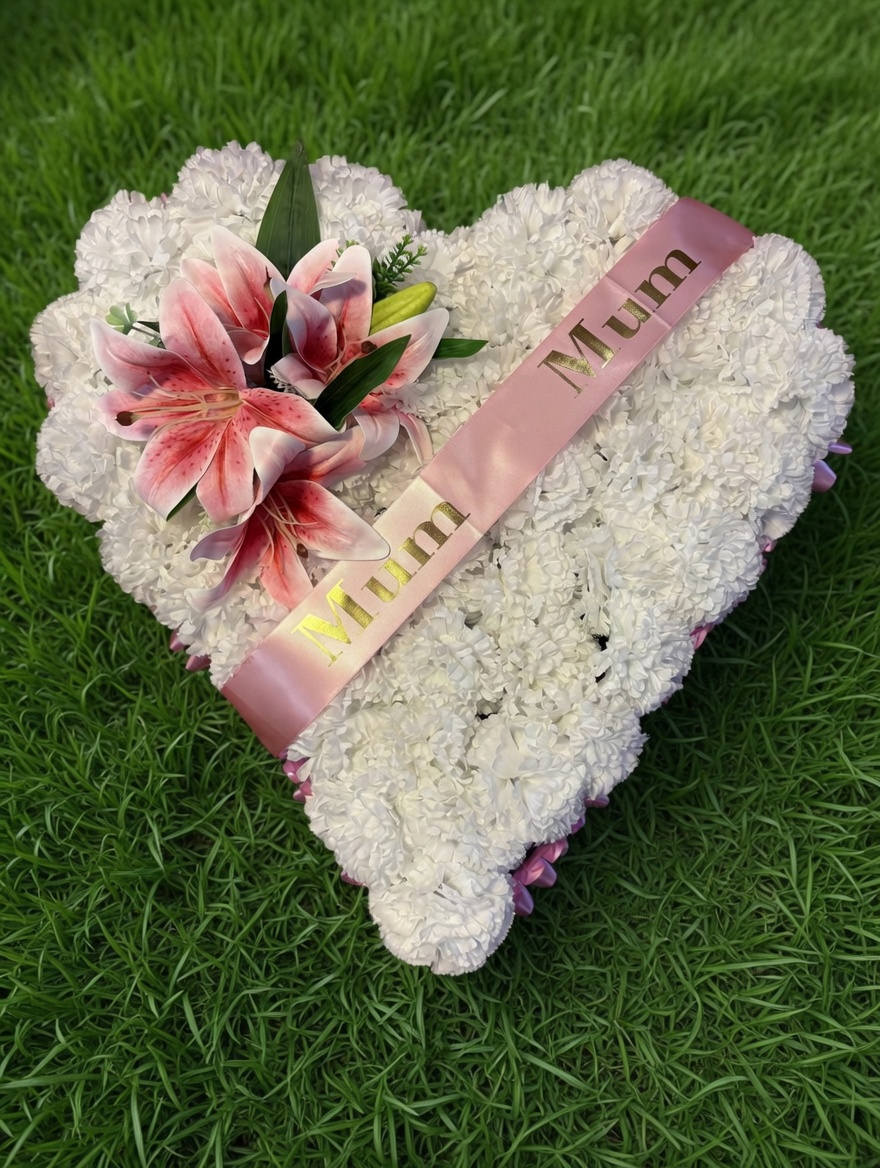
Writing a mum funeral tribute can feel overwhelming. You want the words to feel true, to show love, and to bring comfort. In this guide we walk you through each step, from gathering memories to finishing with a gentle goodbye. You’ll also see how a lasting silk flower tribute can add a visual touch that stays bright through any British weather.
Step 1: Gather Memories and Stories
Start by pulling together everything that reminds you of your mum. Look through old photo albums, handwritten notes, and social‑media posts. Ask siblings, cousins, close friends to share a favorite story. Write each memory on a separate card or digital note. The goal is to create a pool of moments you can later sort.
When you talk to family, use open‑ended prompts: “What’s a small thing Mum did that made you feel loved?” or “Can you recall a laugh you shared?” These questions often bring out details that feel authentic on the page.
It helps to set a deadline for this gathering phase. Give yourself a week or two, then review what you have collected. Highlight the moments that repeat across stories , those are the core themes that will shape your tribute.
We at Stems From Heaven often see families use a simple spreadsheet to track memories. Column A can hold the memory, Column B the source (who shared it), and Column C a short emotion tag (joy, comfort, gratitude). This visual map makes it easy to see patterns.
Take note of sensory details. Did Mum love the smell of fresh rain on garden paths? Did she have a favorite tea blend? Including senses makes the tribute vivid.
Once you have a solid list, you can start shaping a narrative. Remember, you are not writing a biography; you are sharing the feelings that made Mum special to you.
For ideas on how to turn these memories into a tribute, you might explore the Best Funeral Flowers for Mum , 2026 Resource Guide. It shows how personal stories can pair with lasting flower arrangements.
Step 2: Choose a Structure and Tone
Now that you have the raw material, decide how you will arrange it. A common structure is: opening, three to four body stories, closing. You can also choose a chronological flow or a theme‑based flow (e.g., “Kindness”, “Strength”, “Joy”). The structure you pick will guide the reader’s emotional journey.
Think about the audience. If most attendees are older relatives, a formal tone works well. If the crowd is mainly younger friends, a conversational tone feels natural. You can blend both by keeping the language clear but adding a few heartfelt adjectives.
Write a quick outline before you start drafting. List each section and note which memory fits where. This outline prevents you from jumping back and forth later.
When you set the tone, ask yourself: Do I want to celebrate Mum’s life, or also share my own grief? Both can coexist. A balanced tone celebrates while acknowledging loss.
Our silk funeral wreaths often carry a quiet elegance that mirrors a gentle tone. The same idea applies to words , choose language that feels calm and sincere.
For a deeper look at how structure shapes a tribute, on How to Personalise Funeral Flowers in 5 Steps. It explains how a clear plan helps both writing and arranging flowers.
Step 3: Write the Opening Paragraph
The opening sets the stage. Start with a line that tells listeners why you are there and who your mum was to you. Example: “We gather today to honor a woman whose quiet strength held our family together.”
Follow the first sentence with a brief description of her role , mother, grandmother, friend , and a single trait that defines her. Keep it short; three sentences are enough.
Use present‑tense verbs to make the moment feel alive. Instead of “She was always caring,” say “She cares for us still, in every memory we share.”
Feel free to include a short quote or line of poetry that Mum loved. This adds a personal touch without taking up much space.
When you read the opening aloud, notice the rhythm. It should flow naturally, not sound like a rehearsed script.
According to Wikipedia’s definition of a eulogy, the opening should capture the essence of the person in a few heartfelt lines. This guidance helps you stay concise.
After drafting, step away for a few minutes. Return with fresh eyes and trim any extra words. The opening should feel like a warm invitation.
Step 4: Craft the Body with Personal Anecdotes
The body is where you bring Mum to life for the audience. Choose two to four anecdotes that illustrate the qualities you highlighted in the opening. Each story should have a clear beginning, middle, and end.
Begin with context: “When I was ten, Mum took me to the market…” Then describe the action, and finish with the feeling it left you with. This three‑part shape keeps the story easy to follow.
Use sensory details. Mention the sound of her laugh, the smell of her cooking, the feel of her hand on your shoulder. These details make the tribute vivid.
If you have a quote Mum often used, weave it into the story. For example, “She always said, ‘Patience is a quiet river.’ That line guided me through my first job interview.”
Balance the tone. Mix gentle humor with solemn gratitude. A light‑hearted memory about her love of tea can sit beside a story about her steadfast support during a tough time.
When you finish each anecdote, add a short reflection: “That moment showed me how deeply she cared.” This ties the story back to the overall theme.
Our research shows that people who include specific anecdotes feel more comforted during a tribute. The UK government’s bereavement advice page notes that sharing personal stories helps listeners process grief (Gov.uk bereavement guidance).
After you have drafted the body, read it aloud to a trusted friend. Ask them if the stories feel authentic and if the flow matches the tone you set earlier.
“A tribute that paints vivid moments becomes a living memory for everyone present.”
Step 5: Conclude with a Heartfelt Closing
The closing wraps up the tribute and offers comfort. Start by summarizing the main theme you chose , love, strength, generosity , in one short sentence.
Then, thank the audience for being present. A simple line like, “Thank you for gathering to celebrate Mum’s life,” works well.
Offer a final farewell. You can address Mum directly, the audience, or both. Example: “Mum, we will carry your love forward, day after day.”
If you wish, add a brief note about how you plan to keep her memory alive , perhaps by planting a tree, donating to a cause, or displaying a silk flower arrangement that stays vibrant year after year.
| Closing Element | Typical Tone | When to Use |
|---|---|---|
| Summarize Theme | Warm, concise | Immediately after last anecdote |
| Thank Audience | Grateful | Before final goodbye |
| Direct Farewell | Personal | End of tribute |
| Future Action Note | Hopeful | Optional, after farewell |
When you read the closing aloud, pause at each sentence. The pauses let the emotion settle and give listeners time to reflect.
We recommend pairing the closing with a lasting silk flower tribute. Our Luxury Handcrafted Silk Funeral Flowers stay bright rain or shine, offering a visual reminder of the love you speak about.
For more guidance on choosing the right floral piece, see How to Choose Funeral Spray Flowers in 2026. It outlines how colour, size, and material affect the mood of a tribute.
Conclusion
Writing a mum funeral tribute is a personal journey, but the steps we’ve covered make it manageable. Gather memories, pick a structure, write a warm opening, share vivid anecdotes, and finish with a comforting goodbye. Pairing your words with a permanent silk flower arrangement adds a visual anchor that stays bright through any weather.
We hope this guide gives you confidence to speak from the heart and honour your mum’s legacy. If you need a lasting floral tribute that matches the love you feel, we’re ready to help you design a custom piece that reflects her spirit.
FAQ
How long should a mum funeral tribute be?
A spoken tribute usually runs three to five minutes, which translates to about 600‑750 words. This length lets you share a few meaningful stories without losing the audience’s attention. If you write it down, aim for 800‑1,000 words to give yourself room for reflection and editing.
Can I include humour in a mum funeral tribute?
Yes, humour works when it feels natural to Mum’s personality. A short, light‑hearted anecdote about her love of silly jokes can lift the mood while still respecting the occasion. Keep it brief and avoid jokes that might offend anyone present.
What if I’m nervous about speaking?
Practice is key. Read the tribute aloud several times, maybe in front of a mirror or a trusted friend. Mark places where you want a pause and take a sip of water if emotions rise. Having cue cards with bullet points can keep you on track.
Should I write the tribute myself or ask someone else?
If you feel comfortable, writing it yourself ensures authenticity. However, it’s fine to ask a close family member or a friend to help shape the words. They can offer perspective and catch any unclear phrasing.
How can I make the tribute feel personal for everyone?
Include details that a wide range of attendees will recognize , a family tradition, a favourite song, or a shared holiday. By weaving in moments that many people experienced, you create a collective sense of remembrance.
Is it appropriate to read a poem or quote?
Adding a short poem or a favourite quote can deepen the emotional impact. Choose something that resonated with Mum or captures the feeling you want to convey. Keep it brief so it complements, not overwhelms, your own words.