
7 Remembrance Day Flowers to Honor the Fallen
Ever wondered why a simple red flower pops up every November on lapels, wreaths, and even in your garden? Let’s travel back to the mud-splattered fields of Flanders, meet the poet who sparked a movement, and discover how that humble poppy became the world’s most recognizable reminder of sacrifice. In this article, we’ll explore seven remembrance day flowers, their histories, and their meanings. Whether you’re looking to wear a pin, create a wreath, or send a lasting tribute, understanding these symbols helps you honor the fallen with thoughtfulness.
1. Red Poppy, The Classic Symbol of Remembrance
The red poppy is the most famous of all remembrance day flowers. Its story begins in the battlefields of World War I, where poppies grew abundantly in the churned-up soil. Canadian Lieutenant Colonel John McCrae, moved by the sight after losing a friend, wrote the poem “In Flanders Fields” in 1915. The poem inspired American academic Moina Michael to wear red silk poppies as a symbol of remembrance. Soon after, French lecturer Anna Guérin began selling silk poppies to raise funds for war widows. In 1921, a major remembrance charity ordered nine million poppies to sell on November 11, and the first Poppy Appeal raised over £100,000 for veterans. Today, millions of red poppies are distributed each year to honor those who served and to support their families.
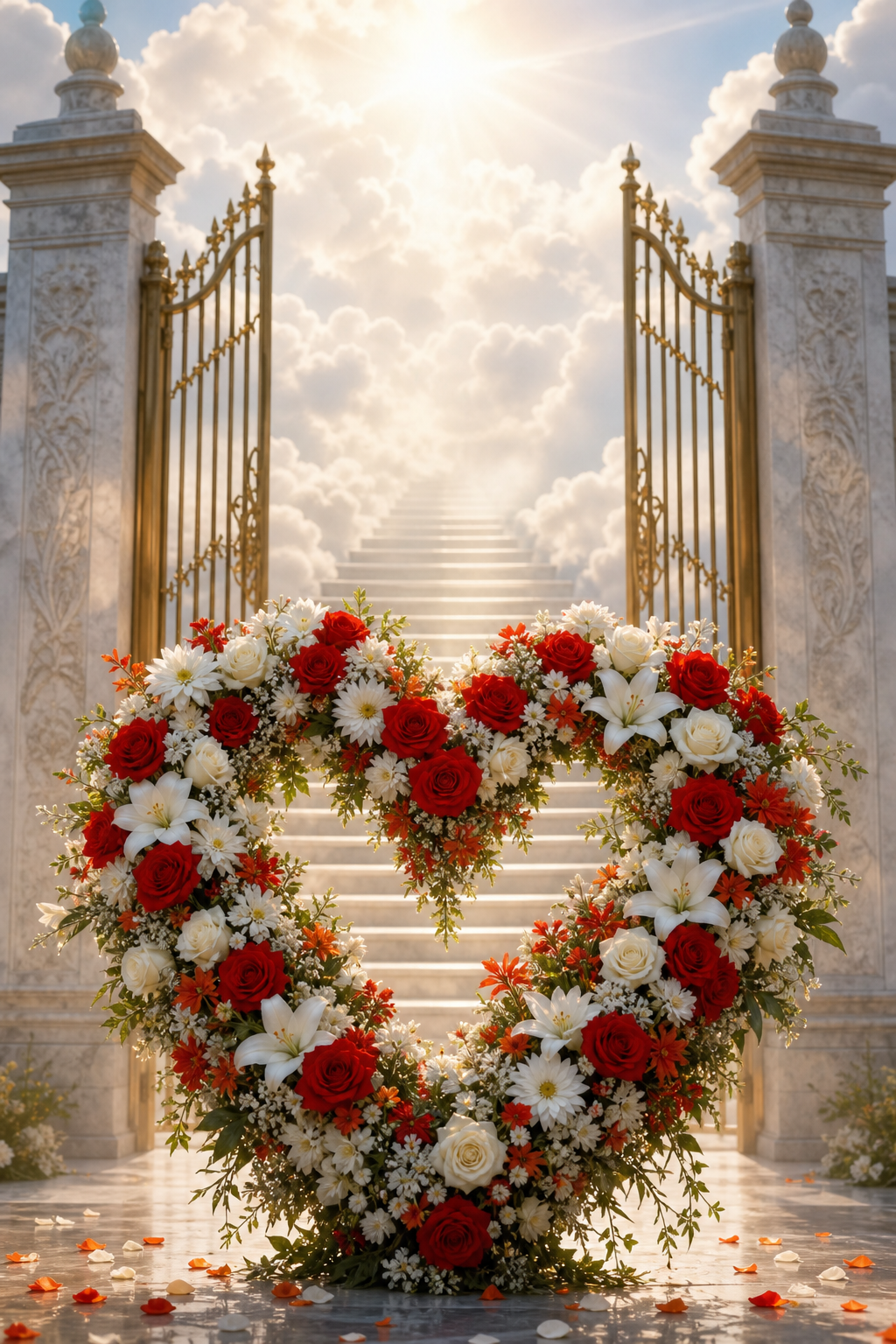
Wearing a red poppy is a personal choice, but it carries deep meaning. According to remembrance organizations, the poppy represents remembrance, hope, and support for the Armed Forces community. It is not a political statement but a mark of respect. Many people wear it on their lapel from late October through November 11. Some choose to place red poppies on graves or create wreaths for ceremonies. The red poppy’s vivid color reminds us of the blood shed by soldiers, but also of the life that springs from devastation.
2. White Poppy, a Symbol of Peace and Anti-War Sentiment
Not all remembrance day flowers are red. The white poppy emerged in 1933, created by a women’s peace organization in Britain as a symbol of peace and a commitment to non-violence. It remembers all victims of war, including civilians and enemy soldiers. A peace group now distributes white poppies each year. Some people wear them alongside red poppies to broaden the conversation about war. However, white poppies have sparked controversy. Some veterans’ organizations see them as an insult or a politicization of remembrance. As reported by a news source, the main veterans’ organization defends the right to wear different poppies but will not sell white poppies themselves, to avoid confusion. Despite this, white poppy sales have risen, with over 100,000 sold annually in recent years.
If you choose a white poppy, you are honoring those who died while also advocating for peace. Many people make their own white poppies or order them online. The white poppy does not replace the red one, it adds a layer of meaning. For some, it is a way to say “never again” and to reject the glamorization of war.
3. Purple Poppy, Honouring Animal Victims of War
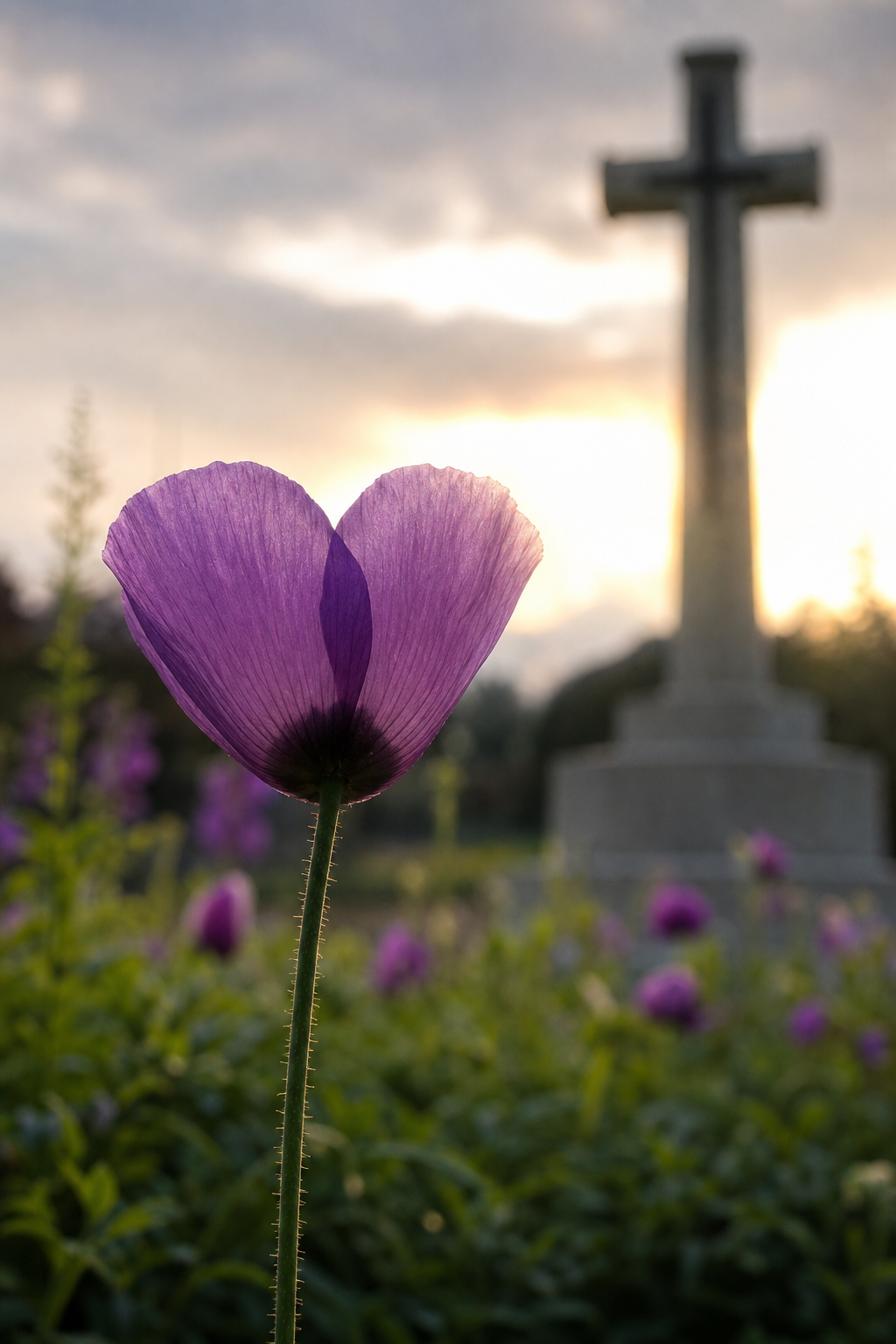
Animals have played a vital role in wars, serving as messengers, pack animals, and companions. The purple poppy, introduced by an organization in 2006, remembers these creatures. Horses, dogs, pigeons, and even glowworms have contributed to military efforts. Millions of animals died in World War I alone. The purple poppy is often worn from October to November, sometimes alongside the red poppy. It is a reminder that the cost of war extends beyond human life. Some people place purple poppies at war memorials or on graves of service animals. The symbolism is growing, though it remains less common than the red poppy. You can purchase purple poppies from various organizations or make your own. Wearing one shows compassion for all sentient beings affected by conflict.
4. Black Poppy — Remembering Black and African Diaspora Contributions
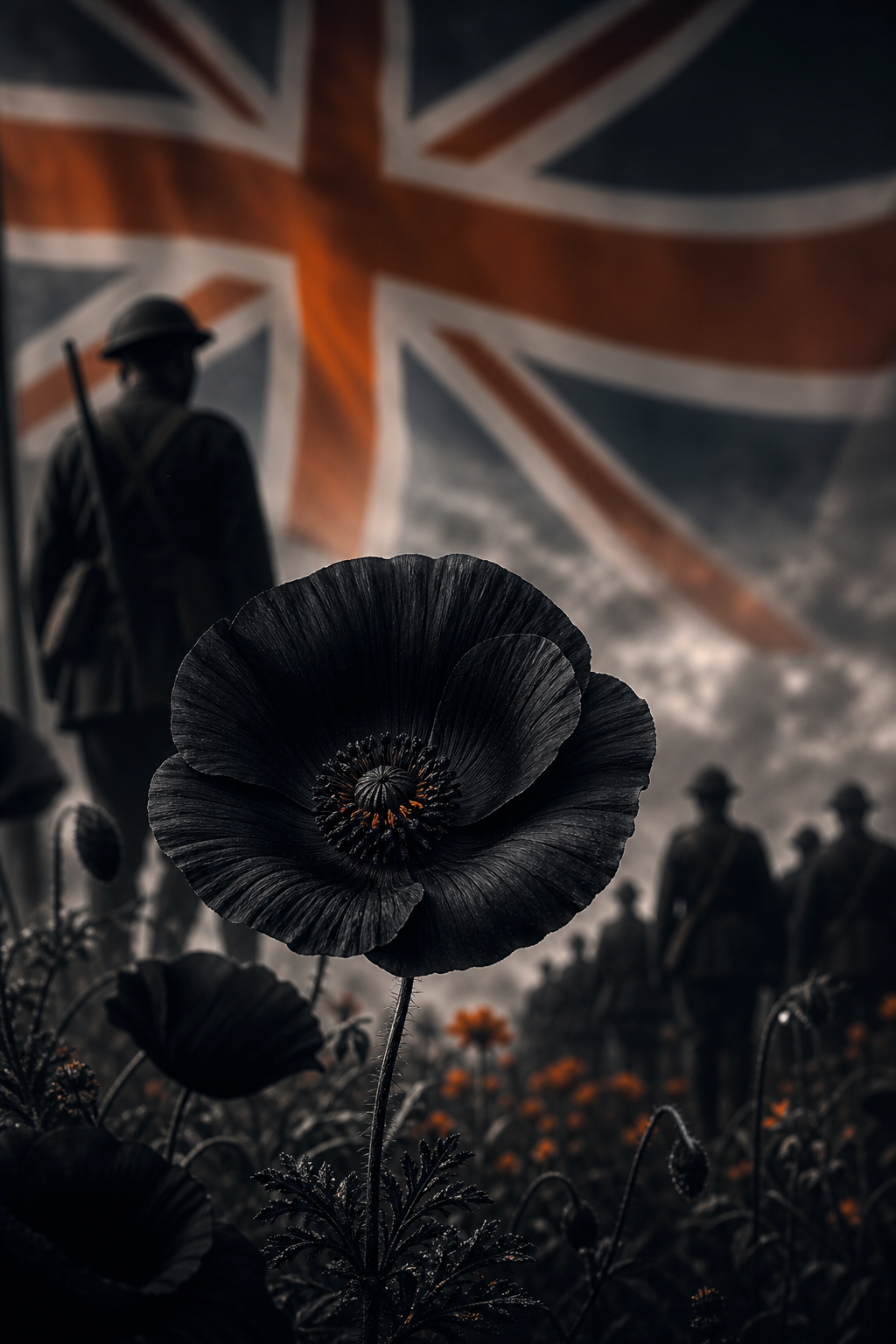
The black poppy was created in 2010 by Selena Carty to honor the contributions of African, Black, and Caribbean communities to war efforts. These groups have often been overlooked in mainstream remembrance. The black poppy remembers not only soldiers but also those who served as laborers, nurses, and in other roles. It is a symbol of pride and recognition. Wearing a black poppy does not replace the red poppy; it adds a layer of inclusivity. The black poppy is not as widely distributed as the red, but it can be purchased online or made at home. It is often worn during Black History Month and Remembrance Day. By wearing it, you acknowledge the sacrifices of people of color in defending freedoms. It is a powerful reminder that the story of war is diverse.
5. Rainbow Poppy, LGBTQ+ Veterans and Inclusivity
The rainbow poppy is not officially produced by any major charity, but it represents a movement to remember LGBTQ+ individuals who served. Many LGBTQ+ soldiers fought and died at a time when their sexuality was criminalized. The rainbow poppy aims to bring visibility to these forgotten heroes. In 2016, poet Trudy Howson launched a campaign for a rainbow poppy design, but it never went into mass production. According to an LGBTQ+ news source, the leading veterans’ charity clarified that they have not issued a rainbow poppy but emphasized that their red poppy represents everyone, including LGBTQ+ veterans. Some individuals create their own rainbow poppies to wear as a symbol of inclusivity. The rainbow poppy is not a replacement for the red poppy; it is an addition that ensures no one is forgotten because of who they loved.
6. Blue Cornflower — France’s Bleuet de France
In France, the equivalent of the red poppy is the blue cornflower, or bleuet de France. Like the poppy, the cornflower grew in the battlefields of World War I. It became a symbol of remembrance in 1920 when the French government adopted it as the flower of memory. The bleuet de France is worn on November 11 and on other commemorative days. Proceeds from its sale support veterans and their families. The blue cornflower represents solidarity and hope. It is often pinned on lapels or used in wreaths. The color blue is also associated with the French uniform of the time. For those looking for remembrance day flowers beyond poppies, the bleuet is a beautiful alternative. It can be combined with poppies in mixed arrangements. Many families with French heritage choose to include blue cornflowers in their tributes.
7. Poppy Wreaths and Mixed Arrangements, Creating Your Tribute
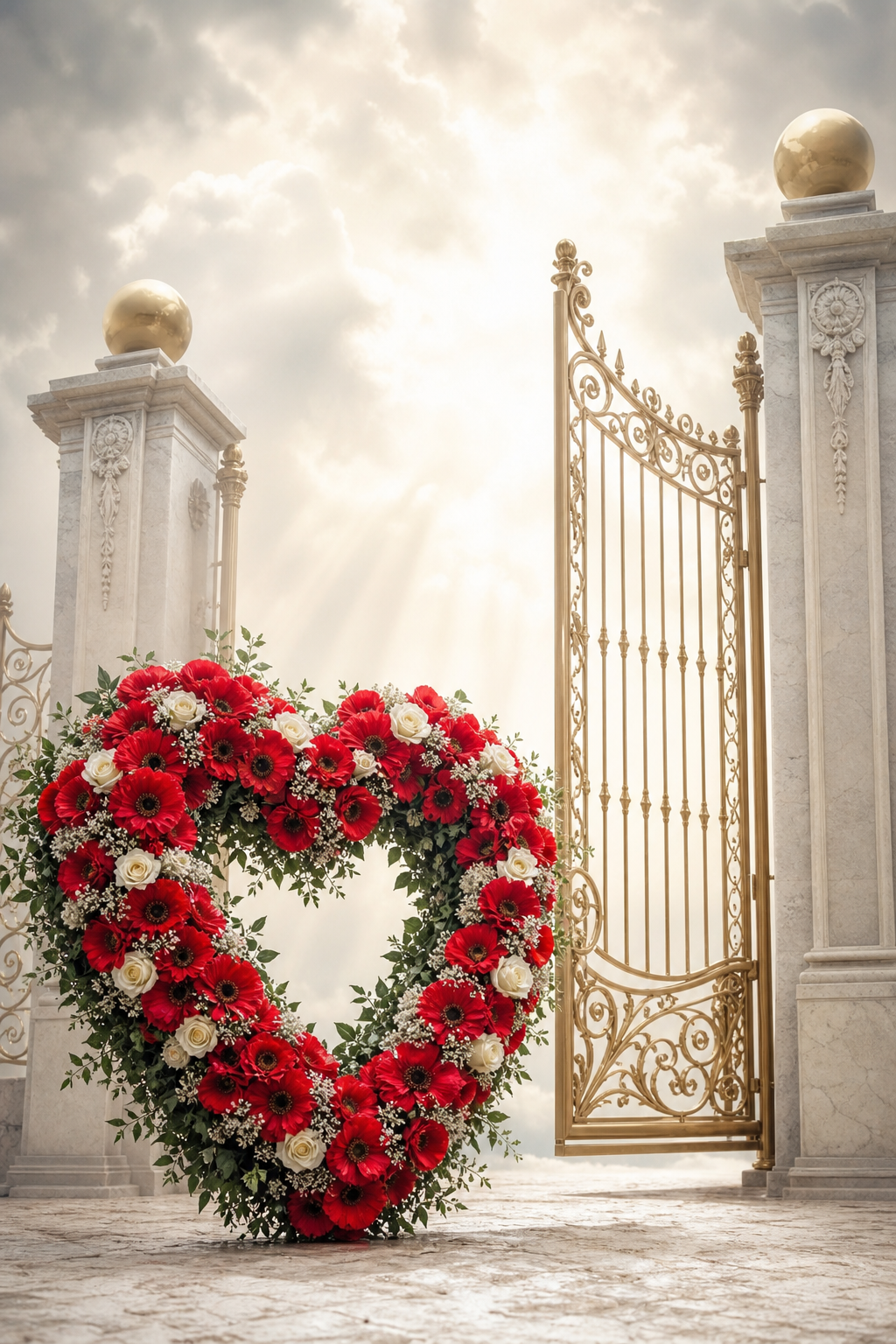
Remembrance Day flowers are often arranged into wreaths or sprays for ceremonies and gravesites. A traditional poppy wreath consists of red poppies with laurel leaves, symbolizing victory and honor. But you can create mixed arrangements using different flowers to represent various meanings. For example, combine red poppies with white roses for purity, or add purple heather for admiration. Silk flowers are a usable choice for outdoor memorials because they withstand weather and last for years. At Stems From Heaven, we offer handcrafted silk funeral flowers that look realistic and durable. You can customize the flowers, colors, and size to create a personal tribute. Another option is to use artificial flowers for graves that require no maintenance. For those who prefer something smaller, silk flowers for graves are perfect.
When choosing Remembrance Day flowers for a wreath, consider the message you want to convey. Red poppies are classic, but adding white or purple poppies can enhance the meaning. You might also include rosemary for remembrance or lavender for devotion. If you are placing flowers on a grave, ensure they are secure and respectful. Many cemeteries have rules about artificial flowers, so check with the site. At Stems From Heaven, our silk arrangements are designed to sit beautifully in urns or on headstones. We offer free UK-wide delivery and bespoke customization. You can create a wreath that honors a specific individual, celebrating their life and service.
Whether you attend a formal ceremony or visit a grave privately, your choice of Remembrance Day flowers speaks volumes. Take time to select blooms that feel right for the person you are remembering. The act of placing flowers is a simple yet profound way to keep their memory alive.
Frequently Asked Questions
What is the meaning of the red poppy on Remembrance Day?
The red poppy symbolizes the blood shed by soldiers in war and also represents hope and rebirth. It was inspired by the poem “In Flanders Fields” and adopted by a major veterans’ organization in 1921. Wearing it honors those who died in service and supports veterans’ families through fundraising.
Can I wear more than one color of poppy?
Yes. Many people wear multiple poppies to represent different aspects of remembrance. For example, wearing a red and white poppy together shows respect for fallen soldiers while also advocating for peace. There is no rule against combining them, though some organizations have preferences.
Are remembrance day flowers only poppies?
No. While poppies are the most recognized, other flowers like blue cornflowers (in France), rosemary, and lavender are also used. Some traditions include white lilies or red roses. The key is choosing flowers that have personal or symbolic meaning for you and the person you are honoring.
Where can I buy a purple poppy?
Purple poppies are available from an animal welfare charity and other online retailers. They are often sold in packs of 10 or more. You can also make your own using purple paper or fabric. Many people wear them alongside red poppies to remember animal victims of war.
Why do some people refuse to wear a poppy?
Some people feel the red poppy has become politicized or that it glorifies war. Others, particularly from pacifist traditions, prefer the white poppy as an anti-war symbol. A small number choose not to wear any poppy due to personal beliefs or family history. It is a personal choice.
How can I make a remembrance poppy craft?
You can make a simple poppy using red paper, a black center, and a green stem. Cut four petal shapes, glue them together, and add a black circle. Attach to a pipe cleaner. For a more lasting version, use silk fabric or felt. Many schools and community groups make poppy wreaths for local memorials.
Is it disrespectful to wear a poppy after Remembrance Day?
No. While traditional wearing is from late October to November 11, many people wear poppies year-round to show support for veterans. In the UK, a major veterans’ charity sells poppies well into November. After that, you can still wear an enamel pin or keep a poppy on your coat as a sign of ongoing remembrance.
What is the best way to arrange remembrance day flowers on a grave?
First, check cemetery rules. Many allow artificial flowers year-round. Use a wreath or a small bouquet in a secure vase. For a lasting tribute, choose weather-resistant silk flowers like those from Stems From Heaven. Arrange them simply, a cluster of poppies with greenery works well. Avoid using too many different colors, as it can look cluttered.
Conclusion
Remembrance day flowers carry deep meaning. From the classic red poppy to the peace-oriented white, each bloom tells a story of sacrifice, hope, and memory. The purple poppy reminds us of animals, the black poppy honors overlooked communities, and the rainbow poppy includes everyone. The blue cornflower gives a French perspective. Whether you wear a single poppy or create a wreath, your gesture matters. At Stems From Heaven, we understand the importance of lasting tributes. Our handcrafted silk funeral flowers offer a beautiful, weather-resistant way to remember loved ones. If you are planning a memorial, consider exploring our collection. Remember, the tradition of remembrance is about keeping the fallen alive in our hearts. Every flower placed, every moment of silence, is a promise: we will not forget.